
Rest as Resistance: Why Doing Less is Sometimes Doing More
There’s a moment every business owner hits: the calendar is bursting, the inbox is overflowing, and you’re running on fumes. The temptation is to push harder, tick one more thing off the list, prove you can handle it all.
But what if the smartest move isn’t doing more, but doing less?
For those of us living with chronic illness (and truthfully, for anyone navigating modern business), rest isn’t just recovery. Rest is a strategy. It’s an intentional decision to build sustainability into your life and business.
Challenging the “Always On” Myth
Business culture loves the idea of being “always on.” Hustle culture praises the people who send emails at midnight or post about their 4 a.m. routines. That might make for a flashy Instagram post, but it doesn’t make for a sustainable life.
For Spoonies — those of us with chronic illnesses who manage energy like a precious resource — this culture is not only toxic, it’s impossible to live up to. We measure our energy in spoons, and when they’re gone, they’re gone. Pretending we can hustle through symptoms or fatigue doesn’t just impact us personally — it puts our entire business at risk.
Rest, then, becomes more than downtime. It becomes an act of resistance against a system that tells us we should constantly produce to be worthy.
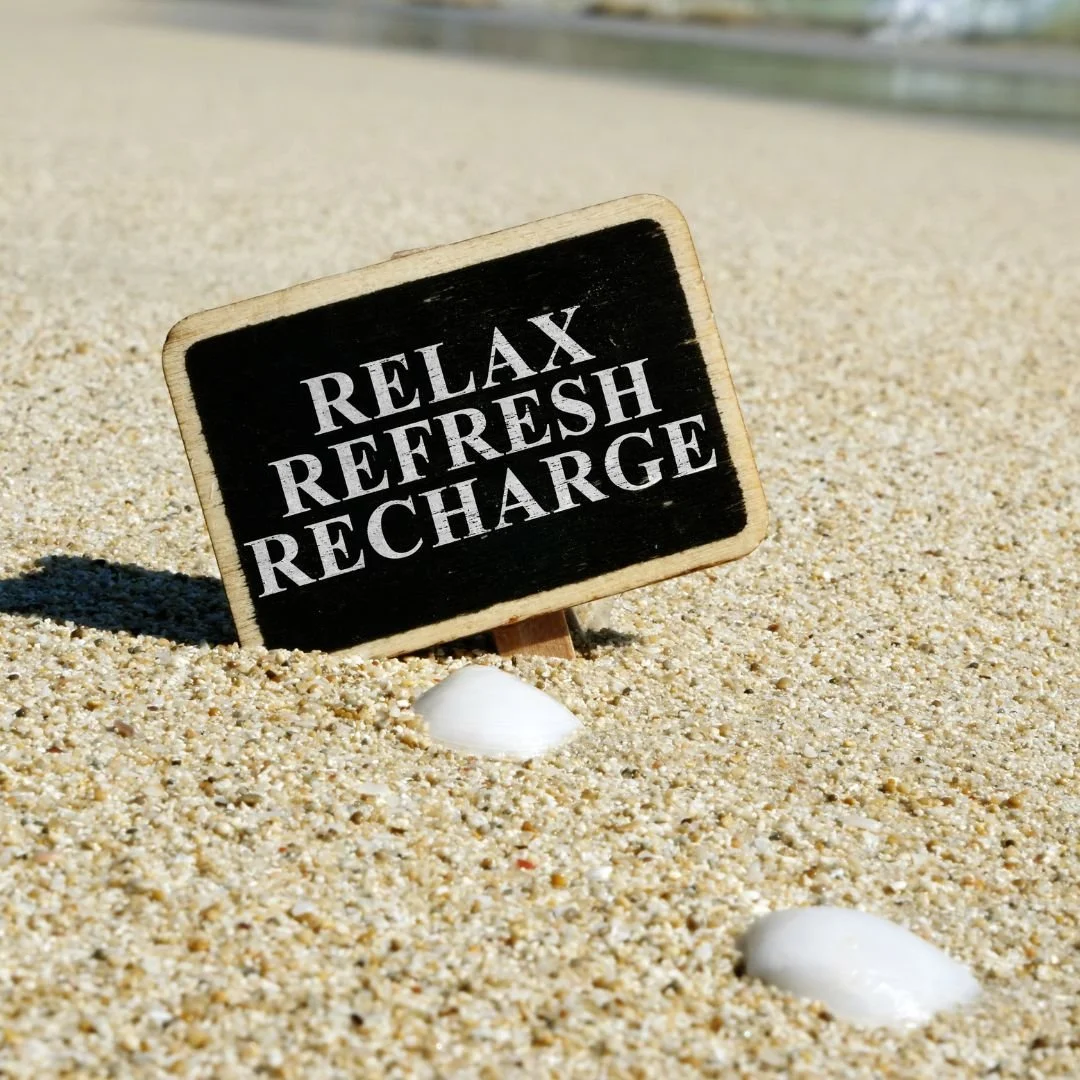
Rest as a Productivity Tool
Here’s the paradox: when I rest, I don’t fall behind — I actually move further ahead. Stepping back allows me to:
Come back with clarity and fresh ideas.
Solve problems in half the time because I’m not pushing through brain fog.
Make better decisions that protect both my health and my business.
Doing less in the short term creates the space to do more — and do it well — in the long term.
Building a Business Around Boundaries
At Creative Little Soul, I’ve structured my business with this in mind. We don’t take on endless clients just to say yes to everyone. Instead, we deliberately cap how many people we work with so we can show up fully for each one. We also don’t onboard new clients in November or December. Why? Because those months are chaotic, people are distracted, and our team deserves the chance to rest and reset before the new year.
That boundary isn’t a limitation — it’s a strength. It allows us to deliver better work, protect our energy, and plan ahead instead of scrambling. It also sends a clear message: rest is a non-negotiable part of how we do business.
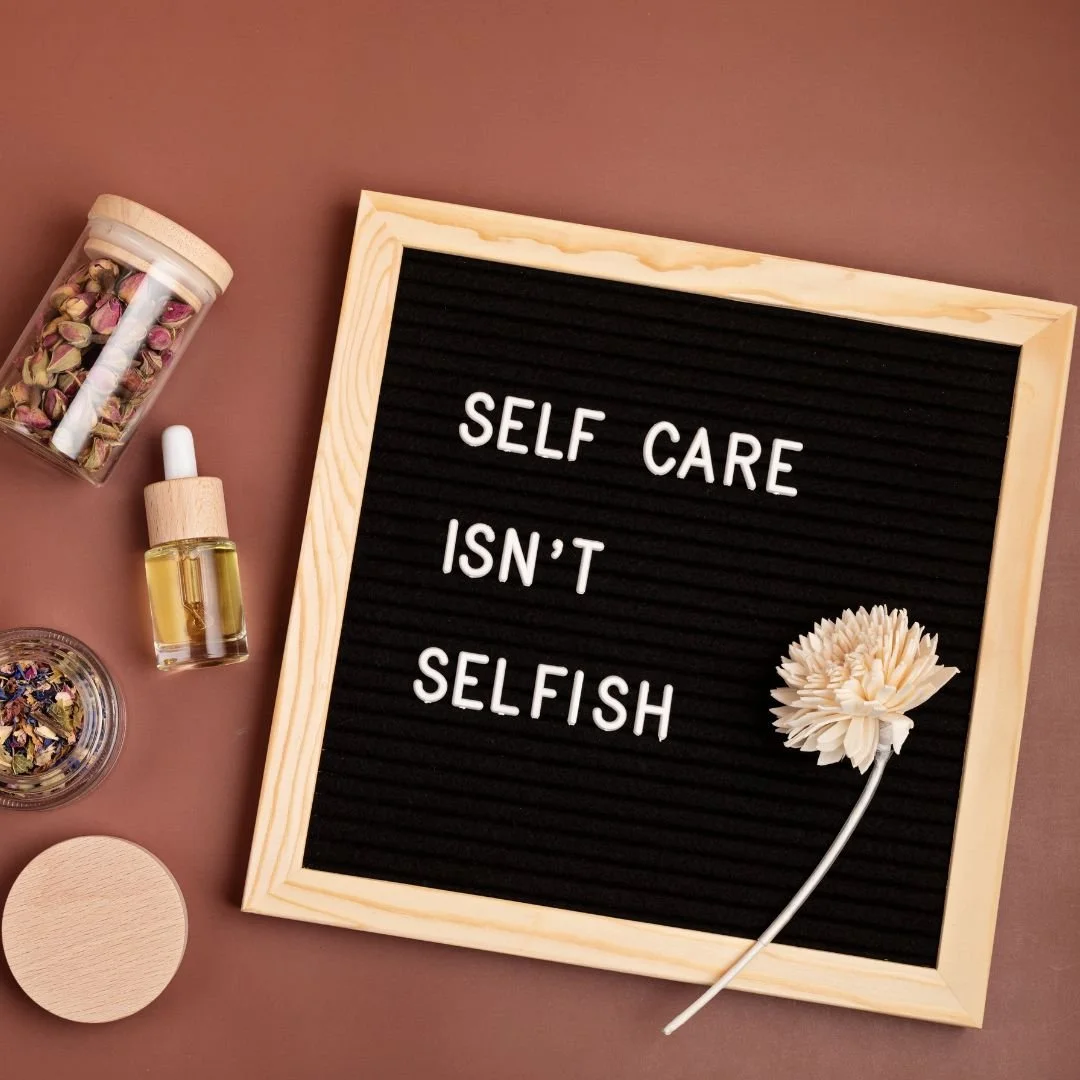
Practical Ways to Weave Rest Into Business
For Spoonies — and for any business owner who wants to avoid burnout — rest needs to be built into the structure of your work. Here are a few strategies I recommend:
Plan around energy, not hours. Stop measuring productivity by time and start measuring by impact.
Batch tasks. Grouping similar tasks together saves energy and reduces the mental load.
Automate what you can. Emails, social posts, even booking systems — automation keeps things moving while you recharge.
Say no with confidence. Every “no” to something that drains your energy is a “yes” to your health and your future.
Close the loop. Set clear workday start and finish rituals so your body and mind know it’s time to rest.
Rest as Resistance and Leadership
Taking rest seriously is a leadership move. It sets the tone for your team, your clients, and your community. It shows others that boundaries are healthy, that sustainability matters, and that success doesn’t have to come at the cost of your health.
For Spoonies, it’s also survival. Without rest, flare-ups occur more frequently, relapses last longer, and businesses suffer greater consequences. Rest isn’t indulgence — it’s strategy, protection, and leadership all rolled into one.
So, the next time you feel guilty for stepping away, remember this: rest is resistance. It’s a way of saying no to the culture that demands constant output and yes to a business and life that supports you for the long haul.
Sometimes, doing less today is exactly what allows you to do more tomorrow.